
"coffee medicine history"
500 article(s) found

Some interesting pictures of coffee
Recently, I found several interesting pictures of coffee on the Internet, so I put them down. These three have similarities and differences. They are all made of coffee beans. The first one is dense, the second one is more abstract, and the third one is that I love coffee bar. So the coffee beans are really beautiful! Like agate, like beads made of sandalwood, hey! I can use my beans in the future.
How coffee changes the world
As the most popular brain-awakening drug in the world, coffee has a strong cultural attraction, no matter from its meticulous preparation process or its unknown history. Maybe Americans needed a founding father to teach them how to make coffee, until Mark Pandgrast published the extraordinary: the History of Coffee and how it transformed us in 1999.

The Development of Coffee
African shepherds discovered strange coffee fruits on the plateau in about 500 AD and humans have known coffee since then. Coffee was planted in Arabian Peninsula and used as medicinal and religious feed from Venice, Italy in 1554.
Coffee Culture the Development of Coffee in the World
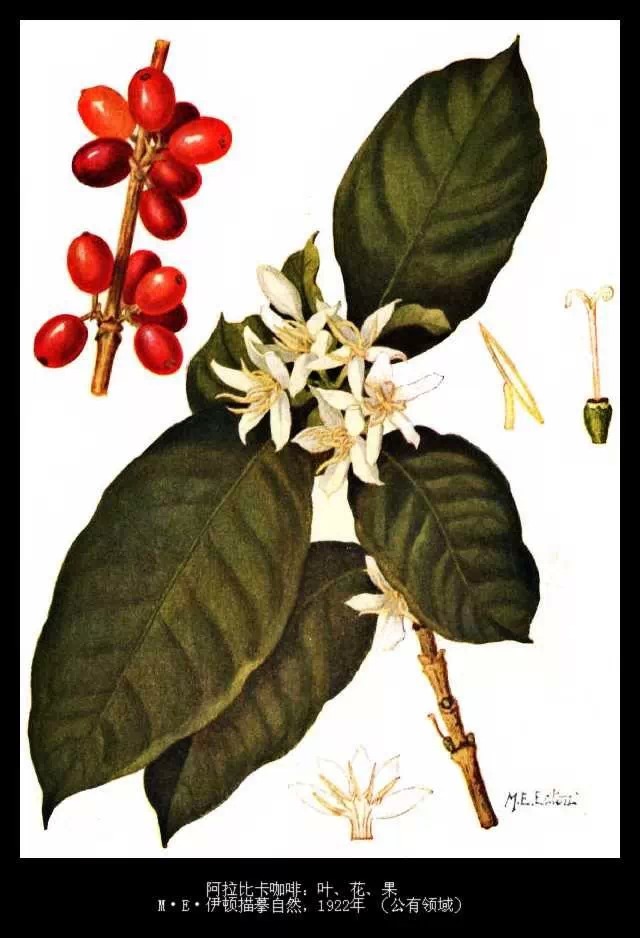
Legend has it that in AD 600, there was a shepherd named Khatthiya in Ethiopia. One day he found his sheep very lively, constantly bouncing and not tired. He felt very strange. One day, he accidentally saw the sheep nibbling on some shiny red fruit. Khatthiya guessed that the cherry-like fruit must be acting strange. He also started

Coffee has become a "cross-border medicine", and the Internet in the fashion world has quickly opened stores to sell coffee.
Professional coffee knowledge exchange more coffee bean information please follow Coffee Workshop (Wechat official account cafe_style) recently, women's wear and accessories brand MARNI has crossed into the coffee field, its MARNI MARKET CAF flash store will be unveiled in Chengdu Ocean Pacific from May 11 to 19. Marni belongs to the Italian tide card, by designer Consuelo Castiglioni in 19
The history and culture of coffee and its advantages and disadvantages to the human body
It is said that in the sixth century, a shepherd in Ethiopia found his sheep jumping everywhere. He carefully observed that the sheep had this excited reaction after eating only one kind of red tiredness. He tried to share the fruit among others, and all the people felt refreshed and refreshed after eating it, so the fruit was used as a pick-me-up.
[coffee knowledge] Coffee event chronology 1600-1800
In 1615, coffee was sold in Europe in the form of medicine, and in 1645, the first coffee shop in Venice opened, followed by coffee shops in many Italian cities. In 1650, Muslim Babudan from India brought some coffee seeds from Arabia to India. In 1652, a Turkish Jew named Jacob opened the first coffee shop in Oxford, England.

The Origin and History of Coffee beans
By the 16th century, early merchants had sold coffee in Europe, thus introducing coffee as a new drink into Western customs and life. Most of the coffee exported to the European market comes from Alexandria and Smyrna, but with the growing market demand, high tariffs imposed by import and export ports and people on coffee trees
Brief introduction of Coffee planting History and planting Technology
In China, according to historical records, coffee trees were planted in Taiwan for the first time in 1884, and coffee cultivation in mainland China began in Yunnan. In 1902, a French missionary named Tian introduced seeds from Yingong, Binchuan County, Yunnan Province. it was successfully planted in a place called Zhu Kula, a tributary of the Jinsha River. The commercial cultivation of coffee in Yunnan began in 1985.

Harvard study shows that coffee can reduce women's risk of depression by 20%
According to a recent study published in the journal Archives of Internal Medicine, coffee can significantly reduce the risk of depression in women, and women who drink four cups of coffee a day can reduce their risk of depression by 20 percent, according to foreign food websites. The study was conducted by a team of 50739 people with an average age of 63 led by Dr. Michelle Lucas of the Harvard School of Public Health.

Brief introduction of Coffee planting History and planting Technology
In China, according to historical records, coffee trees were planted in Taiwan for the first time in 1884, and coffee cultivation in mainland China began in Yunnan. In 1902, a French missionary named Tian introduced seeds from Yingong, Binchuan County, Yunnan Province. it was successfully planted in a place called Zhu Kula, a tributary of the Jinsha River. The commercial cultivation of coffee in Yunnan began in 1985.

Introduction to Paradise Bird Manor in Papua New Guinea Coffee Manor
The law of history always tells us that a heterogeneous new civilization must bring a period or a certain degree of loss and pain to the recipient. But the situation in Papua New Guinea looks even worse, and what is happening there can only be described as chaos and bloodshed. No one can say exactly why. Frequent violence, endless tribal vendetta, lack of resources

I can't live without coffee! This rare genetic disease can only be saved by coffee.
Professional Coffee knowledge Exchange more information on coffee beans Please follow the coffee workshop (Wechat official account cafe_style) for many people who always need a cup of coffee in their lives, they may laugh and say that they can't live without coffee, but for the 11-year-old French boy, this is no joke. The whole thing started with a sick child who drank two cups of coffee every day.

A brief introduction to Coffee planting History and planting techniques
According to historical records, coffee trees were first planted in Taiwan in 1884, and coffee cultivation in mainland China began in Yunnan. In 1902, a French missionary named Tian introduced seeds from Yinggong County in Binchuan County, Yunnan Province. it was successfully planted in a place called Zhu Kula, which is located on the bank of the Yushan River, a tributary of the Jinsha River. The commercial cultivation of coffee in Yunnan began in 1985, but its development is slow.

The History of Coffee in Ethiopia
Following Ka Pai (Wechat official account vdailycom) found that the beautiful cafe opened a small shop of its own and there is a place called Kafa in Ethiopia. Local residents have found that cattle and sheep become excited, powerful and a little crazy after eating a plant with little red beans. Someone picked the red bean and tried to chew it a little. It tasted good, and then it changed slowly.

The Development of Coffee
African shepherds discovered strange coffee fruits on the plateau in about 500 AD. Since then, humans have known coffee. Coffee was planted in Arabian Peninsula and used as medicinal and religious feed in 1554. Coffee was introduced into Europe from Venice, Italy. The colorful European coffee culture began to be born in 1616. Coffee was spread to the Netherlands from the port of Mocha.

History and Origin of Coffee Trees
It wasn't until around the 11th century that people started brewing coffee as a drink. In the 13th century, Ethiopian troops invaded Yemen, bringing coffee to the Arab world. Because Islam prohibits believers from drinking alcohol, some religious people believe that this drink stimulates nerves and violates the doctrine. Coffee shops were once banned and closed, but Egypt's Sultan believes that coffee does not violate the doctrine.
The spread and Development of Coffee Culture (2)
The spread and Development of Coffee in Europe from the end of the 15th century to the beginning of the 16th century, coffee was already a popular drink in the Middle East, but it was also regarded as a medicine. European ambassadors and merchants in the Turkish Empire also believed that coffee was a healthy drink with special curative effects, and many positive comments helped to import coffee into Europe. Lovov, a famous German doctor and botanist, wrote as early as 1582.

An overview and development history of Kopi Luwak
Kopi Luwak-Overview (Picture) Coffee cat shit is processed into the world's most expensive coffee cat shit into the world's most expensive coffee album Kopi Luwak, which is made from the droppings of Indonesian coconut cats (a kind of civet), so it is called Kopi Luwak. This kind of animal mainly feeds on coffee beans. After fermentation is completed in the coconut cat's stomach, it destroys the protein and produces short peptides and more.

A brief introduction to the treatment method of grinding degree and baking degree of moderate acidity Paradise Bird Manor in Papua New Guinea
The law of history always tells us that a heterogeneous new civilization must bring a period or a certain degree of loss and pain to the recipient. But the situation in Papua New Guinea looks even worse, and what is happening there can only be described as chaos and bloodshed. No one can say exactly why. Frequent violence, endless tribal vendetta, lack of resources